07/07/2026
Safety & digital transition
A Day of Industrial Seminars for “New champions” and “Digital Transition” Analyses
On July 3, 2026, Foncsi organized two half-day industrial seminars for its strategic analyses,“New safety champions” and “Safety practices and the digital transition.” Around twenty sponsors and partners attended to discover the findings of these studies and discuss them.
A morning dedicated to “New safety champions”
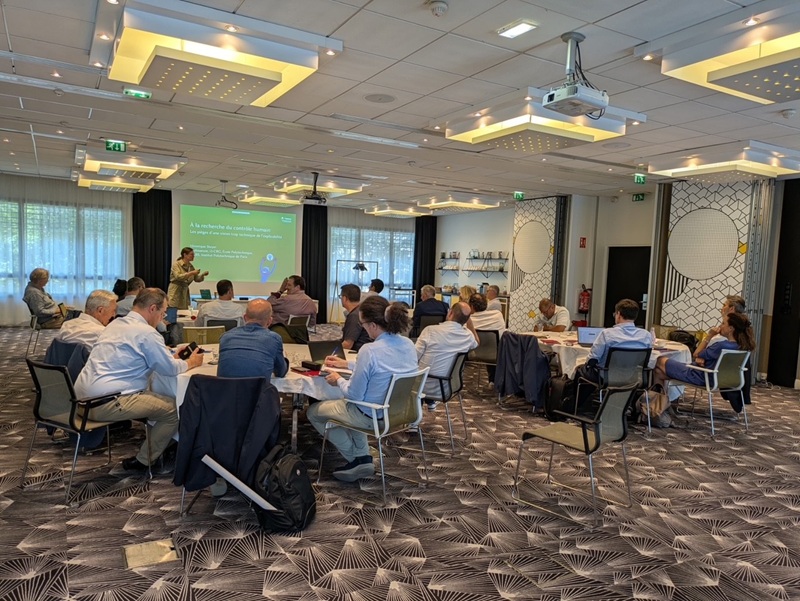
After two years of work, around twenty representatives of our sponsors and partners attended this half-day seminar on the strategic analysis “New safety champions.”
Why this topic?
Some companies – such as low-cost airlines – are drawing upon the concept of operational excellence, and developing new business models. These companies are achieving results that appear to be excellent, both in economic and safety terms. They are achieving this despite the fact that some have adopted management and organizational methods that are far removed from the longstanding recommendations made by experts in human and organizational factors. What are the reasons for this apparent paradox? And what lessons can we draw for other industrial sectors?
Enriching Findings and Discussions
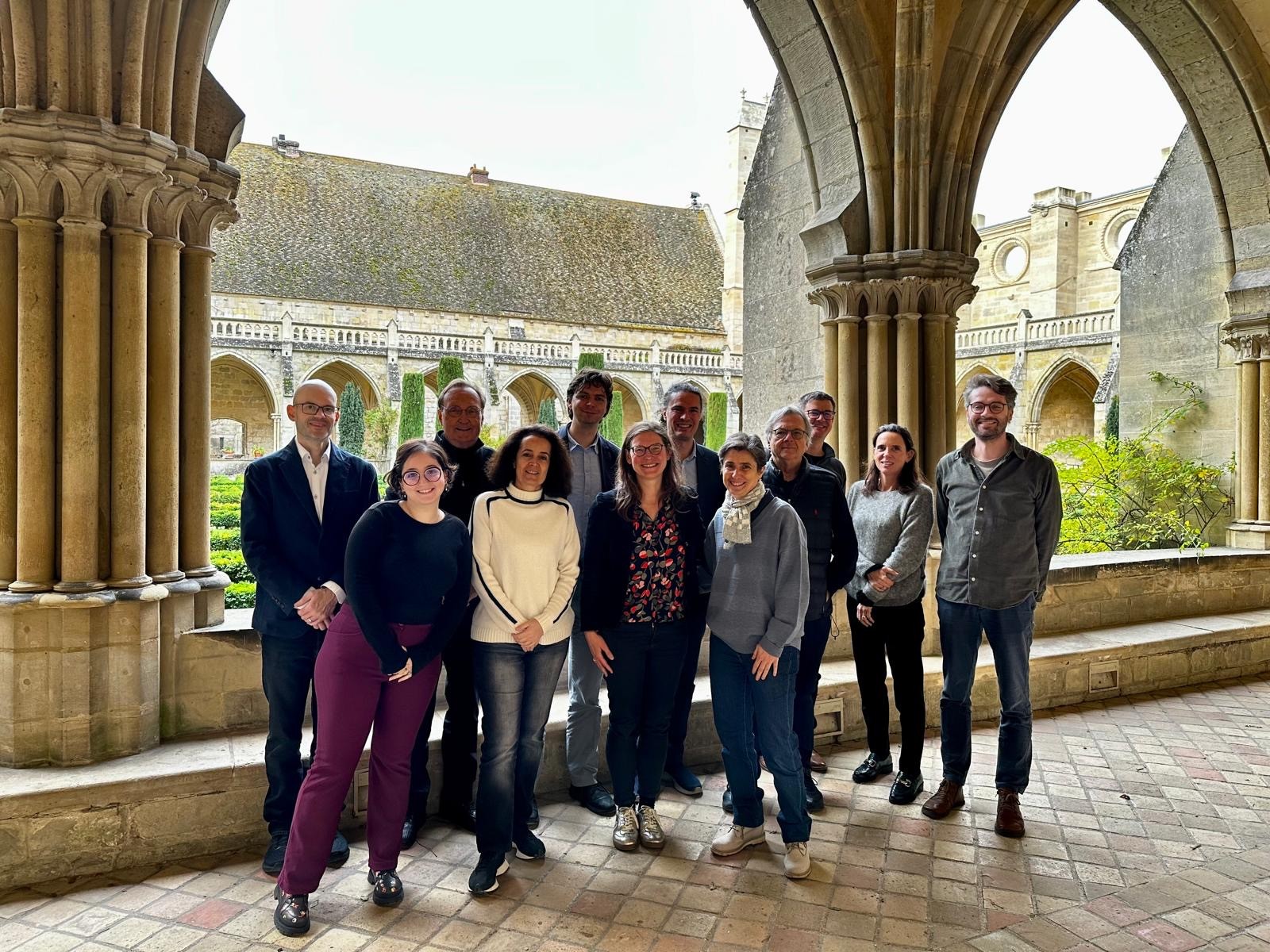
Members of the scientific group for the strategic analysis – Éric Marsden, Jean Pariès, and Corinne Bieder from Foncsi, as well as Jean-Christophe Le Coze from Ineris – presented the insights provided by international researchers who attended the international academic seminar dedicated to this analysis in December 2025 at Royaumont Abbey (Val-d’Oise, France).
The results of the analysis were then presented, along with an industry case study featuring SpaceX.
The analysis highlighted the predominant emphasis placed on economic performance in certain organizational models, sometimes at the expense of preexisting vulnerabilities or those created by the system itself (deregulation, offshoring, market capture, manipulation of standards, or even the social acceptability of accidents). It was emphasized that there is no statistical correlation between profitability and safety performance. The question of the role of safety stakeholders also arises: should they be “champions” of performance or “guardians” of safety?
More broadly, the analysis examined the evolution of a social model focused more on external benefits (employment, income, customer experience) than on internal working conditions, as well as the ability of the traditional European model to endure in a globalized and competitive environment.
An afternoon dedicated to “Safety practices and digital transition”
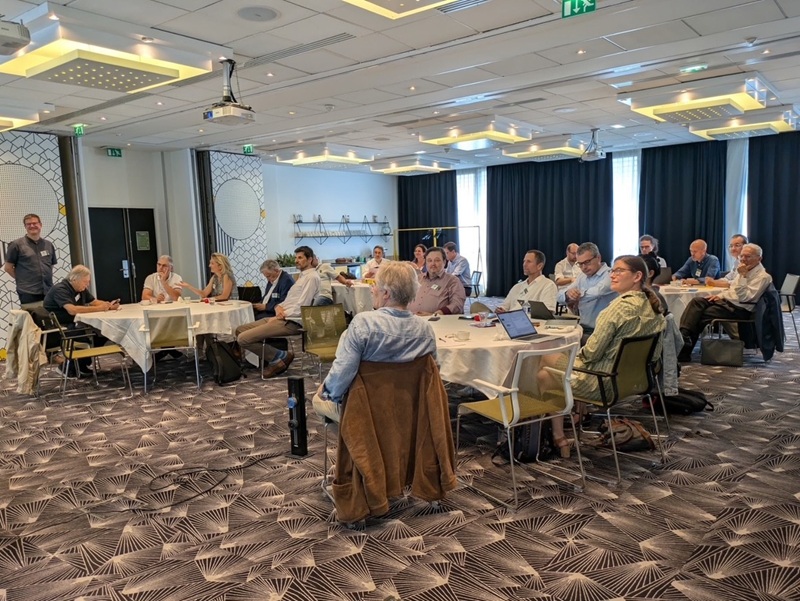
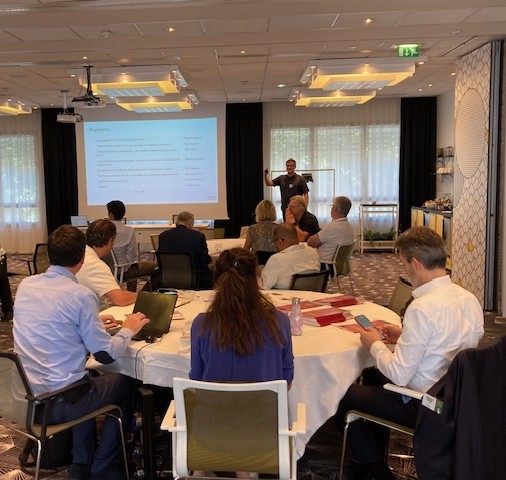
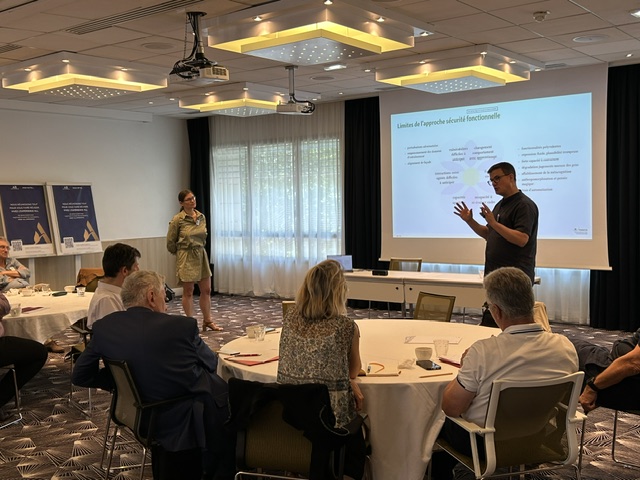
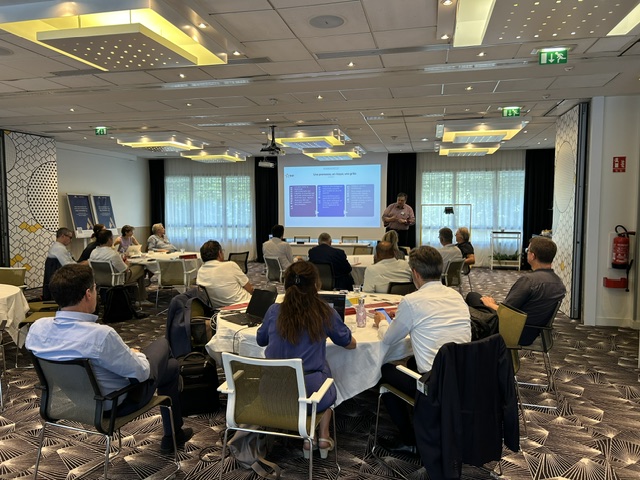
The day continued with the industrial seminar of the strategic analysis “Safety practices and digital transition”, which also brought together about twenty participants, including representatives from our sponsors and partners.
Why this topic?
With the rapid evolution of digital technology and the development of AI, this strategic analysis examines issues that lie at the intersection of new, deep learning tools and new communication technologies, safety management practices, and knowledge about social, organizational and human factors.
Two years of strategic analysis on the topic
The members of the strategic analysis scientific group – Éric Marsden and Corinne Bieder from Foncsi, as well as Véronique Steyer from École Polytechnique – began by outlining how the work was conducted, including a multisectoral analysis and the publication of an initial “Industrial Safety Cahier” in 2025 devoted to “AI and Safety Management.”
They then presented the insights provided by the international researchers consulted and invited to the international academic seminar held in December 2025 at Royaumont Abbey (Val-d’Oise, France).
A seminar rich in presentations and findings
The seminar featured several presentations, including two based on recent “Cahiers” published in French by Foncsi:
- "The AI Daisy in Industrial Safety" by René Amalberti
- AI-trained safety models for "Déléguer, assister, sanctuariser" (Delegating, Assisting, and Safeguarding) by Alain Quiot (EDF and formely seconded to l’Icsi)
- The pitfalls of an overly technical view of AI explainability by Véronique Steyer.
The results of the analysis were also presented alongside a series of reflections and initiatives on “digital technology and security” and, more specifically, “AI and safety.”
The strategic analysis thus highlighted the challenges of explainability – which involve numerous issues (legal, social acceptability, economic development, professional, ethical, and security) – and the importance of a socio-technical approach to assessing the risks associated with the introduction of AI systems. The temporality and penetration of these new technologies are unprecedented, with implications that extend beyond high-risk organizations and effects that are, in part, delayed. However, this evolution raises a question: Are we witnessing a new model of evolution, or a repetition of processes seen during the introduction of automation over the past few decades?
Next steps
To provide detailed information and widely share all of these findings, Foncsi will publish in the coming months for each of the two strategic analyses:
- An academic book in English as part of its "SpringerBriefs in Safety Management" series, available as open access fromSpinger
- An "Industrial Safety Cahier" in French, freely downloadable from the Foncsi website.